Help with relationships
The people in your life, and the knots between you.
Partners, friends, parents, colleagues. Most of what hurts, and most of what heals, happens between people. You can work on it even if they never come to a session.
Not only romance
Every kind of relationship
A partner
Arguments that repeat, trust that was broken, or a quiet drifting apart.
Friends
Friendships that faded, one-sided ones, or feeling you have no one close.
Family
Parents, siblings and in-laws, and the roles you were given years ago.
Work
A difficult boss, a team you dread, or never being able to say no.
Yourself
How you talk to yourself shapes every other relationship you have.
Sound familiar?
Knots people bring to therapy
- “I say yes when I mean no”
- “I keep choosing the same kind of person”
- “I find it hard to trust anyone”
- “I feel lonely even when I am not alone”
- “I cannot get over the breakup”
- “I avoid conflict until I explode”
- “I do not know how to make friends as an adult”
- “I lose myself in relationships”
How we get close
Three ways people attach
Psychologists describe patterns in how we handle closeness, shaped by our earliest relationships. Knowing yours explains a lot of arguments.
Anxious
“I need to know we are okay.”
Closeness feels safe, distance feels like danger. You reach, check and worry.
Secure
“I can be close, and I can be apart.”
You trust the bond enough to disagree, to need people, and to be alone.
Avoidant
“I need space when it gets intense.”
Independence feels safe, need feels risky. You pull back when things get close.
Most people are a mix, and these patterns can change. That is much of what therapy is for.
How it should feel
Green flags, red flags
- You can disagree and still feel safe
- You keep your own friends and interests
- An apology comes with a change
- You feel more like yourself, not less
- Checking your phone, or deciding who you see
- Put-downs dressed up as jokes
- Being afraid of how they will react
- Any violence, or the threat of it
If the red list sounds like your life, you deserve support, and it is not your fault. If you are in danger, call 119 (Police emergency) or 1938 (Women's helpline).
A word that gets misused
A boundary is not a wall
It is not about pushing people away or controlling them. It is saying what you will and will not do, so the relationship can last.
Fine. Whatever you want.
I can't do that, but I can do this.
You always do this to me.
When that happens, I feel shut out.
Saying nothing, and pulling away.
I need a bit of time before we talk about it.
When it ends
After a breakup
- The first days
Just get through
Eat something. Sleep when you can. Let someone sit with you.
- The first weeks
Protect the wound
Mute, do not watch. The 2 a.m. message can wait until morning.
- The months after
Look at the pattern
Not only what they did. What you chose, tolerated and want next.
Lonely is not the same as alone.
You can be surrounded by family and still feel no one really knows you. Loneliness is about the depth of connection, not the number of people.
- 1One real conversation a day, however short
- 2Something that repeats weekly: a class, a team, a temple group
- 3A message to one old friend you drifted from
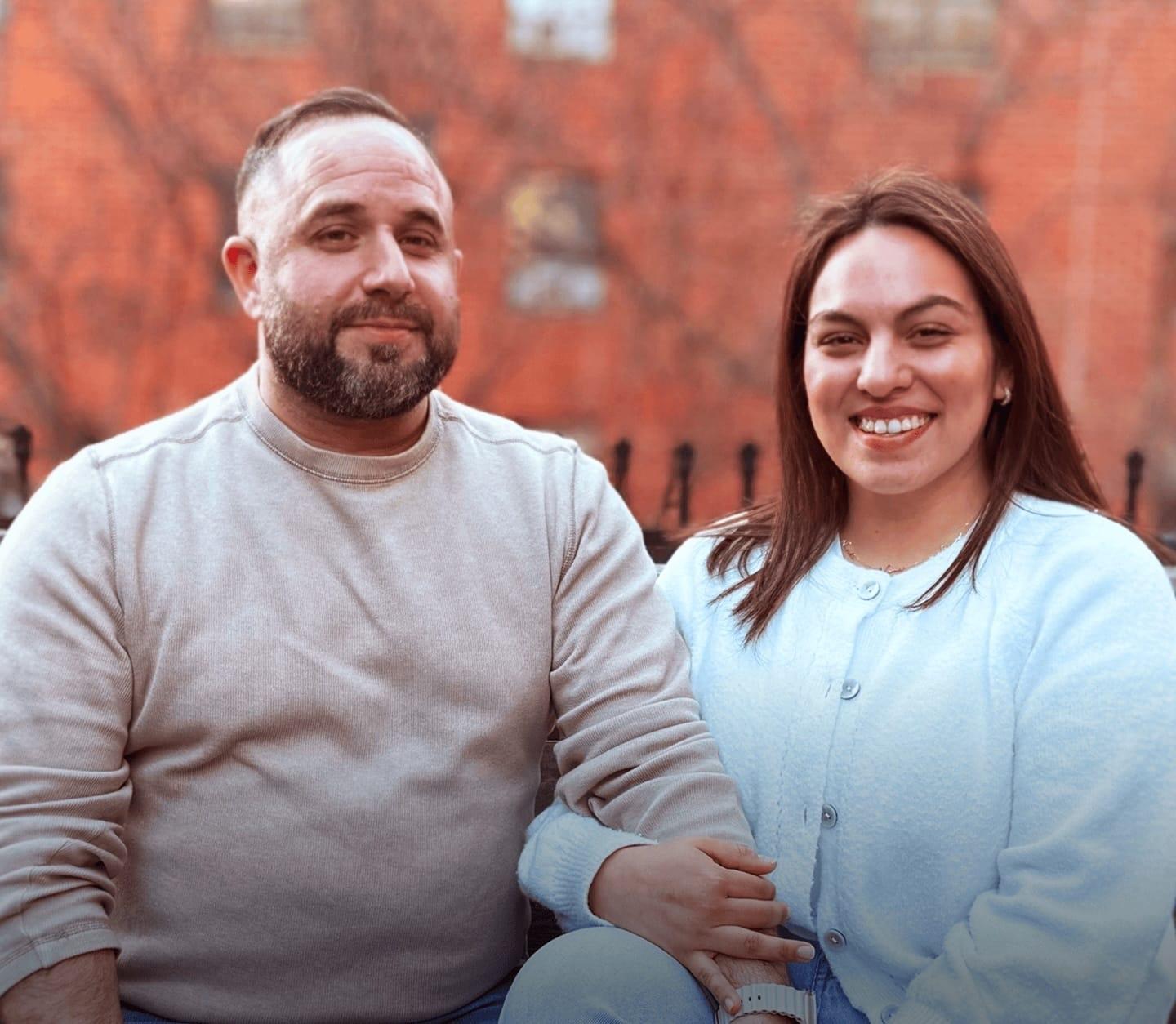
Want to work on it together?
If your partner is willing to join, couples therapy puts you both in the same conversation.
See couples therapyClear prices, in LKR
What it costs
Every session is 50 minutes. Prices are shown upfront, and you can pay by Visa or Mastercard.
See all pricingLKR 6,500
A single session
LKR 24,000
A month, with 4 sessions
Good to know
Relationships: your questions
Straight answers to what people ask us most before their first session.
Can I work on a relationship if the other person will not come?
Yes. You can change your part of the pattern, and that often changes the whole relationship. Many people start alone.
Is this only for romantic relationships?
No. People come about friends, parents, siblings, in-laws and colleagues as often as about partners.
Will the therapist tell me whether to stay or leave?
No. A therapist helps you see the situation clearly and work out what you want. The decision stays yours.
What if I do not feel safe with someone?
Your safety comes first. If you are in danger, call 119 or 1938. A therapist can also help you plan your next steps in individual sessions.
What if the therapist is not the right fit?
The fit matters. You can change to another therapist at any time, at no extra cost.
Still wondering about something?
Ask us anything. There is no such thing as a silly question about starting therapy.
You do not have to carry it alone.
Taking the first step is the hardest part. We will help with the rest.
Find my therapist